
A Woman’s Guide To Diagnosing Damaged Fallopian Tubes
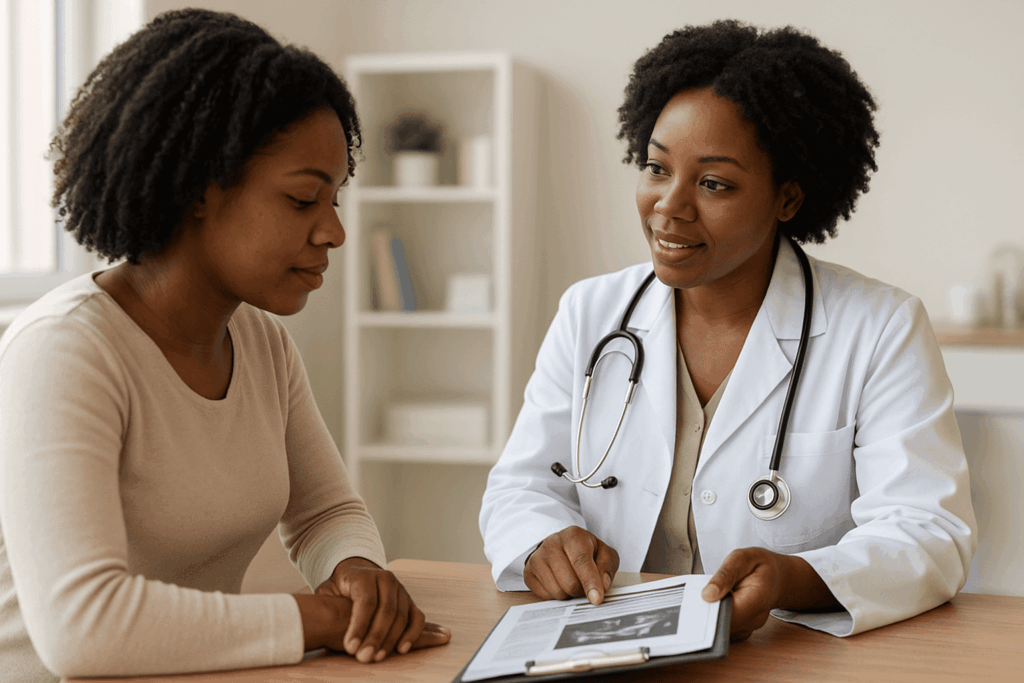
Damaged Fallopian tubes are responsible for a significant percentage of infertility cases. Sometimes, the tubes may be blocked or they may be scarred as a result of disease or infection.
When an egg is released from one of the ovaries, it travels through one of the fallopian tubes, which are narrow ducts that connect the ovaries to the uterus. Normally, the egg will join with the sperm in the fallopian tubes during conception, and the now-fertilised egg will continue to the uterus. However, the fallopian tubes are extremely fragile. If they are damaged, there is no way for the egg to become fertilised by the sperm.
The fallopian tubes can be damaged by diseases such as endometriosis, pelvic inflammatory disease, infections, and sexually transmitted diseases.
Damaged Fallopian Tube And Pregnancy
To determine whether your fallopian tubes are blocked, your doctor may suggest a laparoscopy or a hysterosalpingogram (HSG). In an HSG test, liquid dye is inserted by a catheter through the vagina (cervix) into the uterus. Then, X-rays are taken to see if there is a blockage or if the dye flows freely into the abdomen. Another HSG method can be ultrasound instead of X-ray, which uses saline and air or foam. If you have problems with your fallopian tubes, your doctor may recommend surgery to correct the damage or unblock the tubes.
If you are ovulating normally, your doctor might also consider assisted reproduction techniques that bypass the fallopian tubes entirely. These can include intracytoplasmic sperm injection (ICSI) and in vitro fertilisation (IVF).
Endometriosis is a medical condition in which the tissue that usually lines the womb grows in other parts of the body. These ‘growths’ are called endometrial implants and may be small or larger. Like the lining of the womb, they build up and are shed every month. But unlike period (menstrual) blood, the tissue that is shed in the abdomen cannot leave the body, so inflammations and scars often develop.
During a normal menstrual cycle, the lining of your uterus – called the endometrium – begins to thicken in preparation for becoming pregnant. If you don’t become pregnant that month, your body sheds the endometrium during menstruation and the process starts over. In endometriosis, for reasons that researchers do not entirely understand, tissue very similar to the endometrium begins to grow outside the uterus in various places where it should not.
It can appear in or on the ovaries, the fallopian tubes, the various structures that support the uterus, and the lining of the pelvic cavity. Sometimes, it’s found in other places as well, including the cervix, vagina, rectum, bladder, bowel, and elsewhere.
The problem is that this tissue behaves like normal endometrial tissue – it builds up and breaks down with your menstrual cycle – but it cannot be shed like normal endometrial tissue during your period. As a result, the rogue tissue causes irritation and inflammation. This buildup of tissue can prevent the eggs from getting out of the ovaries or being fertilised by sperm. It can also scar and block the fallopian tubes, preventing the egg and sperm from meeting.
In addition to fertility problems, some common signs and symptoms of endometriosis include: Pelvic pain, Painful intercourse, painful urination, painful bowel movements, severe abdominal pain, lower back pain, heavy periods or spotting between periods, and fatigue.
Some women with endometriosis do not have symptoms. At least 30-40 percent of couples with problems of infertility have endometriosis, and as a result of its genetic nature, it is common amongst sisters and even cousins. Most women, who have it, do not have symptoms. Of those who do experience symptoms, the common symptoms are pain (usually pelvic) and infertility. It can be one of the reasons for infertility in otherwise healthy couples.
Dr Taiwo Orebamjo is an experienced Consultant Obstetrician and a medical administration expert from the Kingston Academy of Learning and Career College Canada. He is a post-graduate of the Royal College of Obstetricians and Gynaecologists, London. The Research Fellow in assisted conception at the St. George’s Teaching Hospital in Tooting London, is also the Consultant Obstetrician &Gynaecologist, Medical Director, at Parklande Specialist Hospital & Lifeshore Fertility and IVF Clinic.