
What You Should Know About Pelvic inflammatory disease (PID)
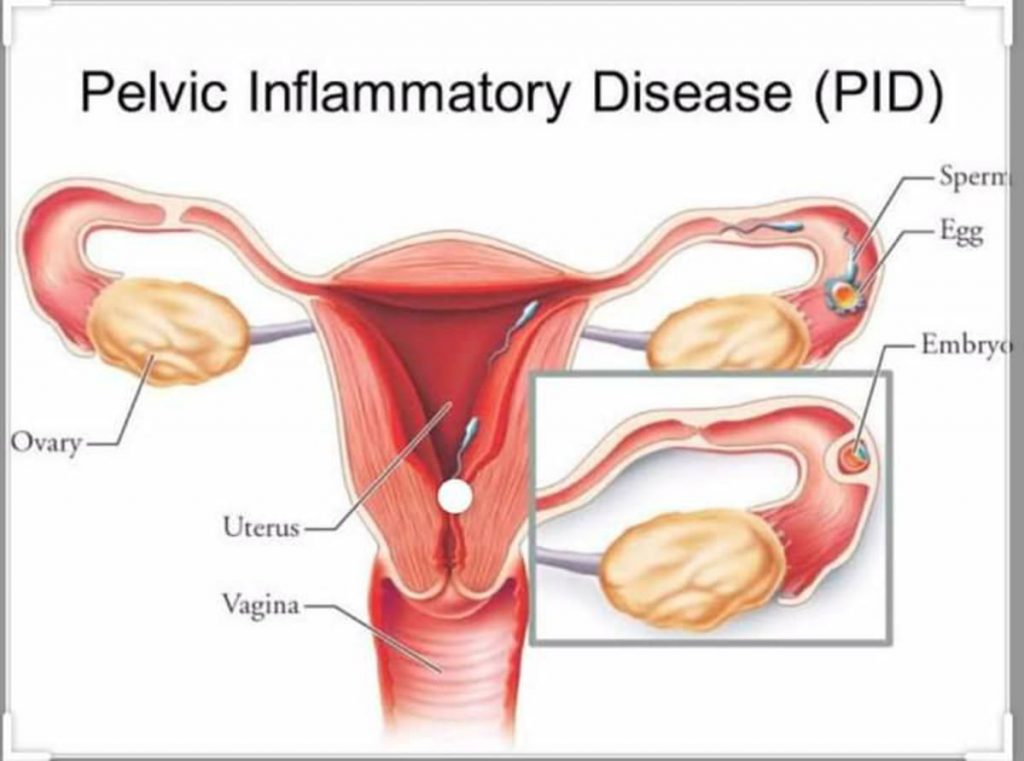
Pelvic inflammatory disease (PID) is an inflammation of a woman’s upper reproductive tract, including the structures of the uterus, ovaries, and fallopian tubes. Salpingitis, inflammation of the fallopian tubes, is the most common manifestation of the disease. PID is known to be a long-term consequence of many sexually transmitted diseases as well as of bacterial vaginosis (BV), pelvic surgery, and other gynecologic procedures that cross the cervix.
It is fundamentally a preventable condition.
Pelvic inflammatory disease is, essentially, caused by the body overreacting to an infection. As the immune system tries to fight off the invading bacteria, it causes local inflammation and scarring. Although this may successfully wall off the infection inside the reproductive tract, it can damage the organs. PID can cause scarring in the uterus, fallopian tubes, and even in the pelvic cavity. This is one of the main reasons it causes chronic pelvic pain.
The most common infections associated with the pelvic inflammatory disease are chlamydia and gonorrhea. Because the symptoms of PID are the result of the body’s response to the underlying infection, treatment usually involves antibiotics to treat that infection. In severe cases, or in an emergency, surgery may be necessary to drain an abscess that has ruptured or that threatens to rupture.
Symptoms
- Pain in the lower abdomen and pelvis
- Irregular periods
- Pain during sex
- Pain during urination
- Lower back pain
- Excess vaginal discharge with a foul odour
- Fever, exhaustion, diarrhea, vomiting, and other general signs of infection.
Is PID common?
In the early 1990s, the self-reported frequency of PID in women was approximately one in nine. PID was more than twice as common in women with a history of sexually transmitted diseases (10 per cent).
Risk factors
Younger age: Sexually experienced teenagers are three times more likely to be diagnosed with PID than their 25- to 29-year-old counterparts. Scientists do not know, however, whether this is due to biological factors that make young women more susceptible to STDs or different sexual behaviors in these two age groups.