
Pre-existing High Blood Pressure in Pregnancy
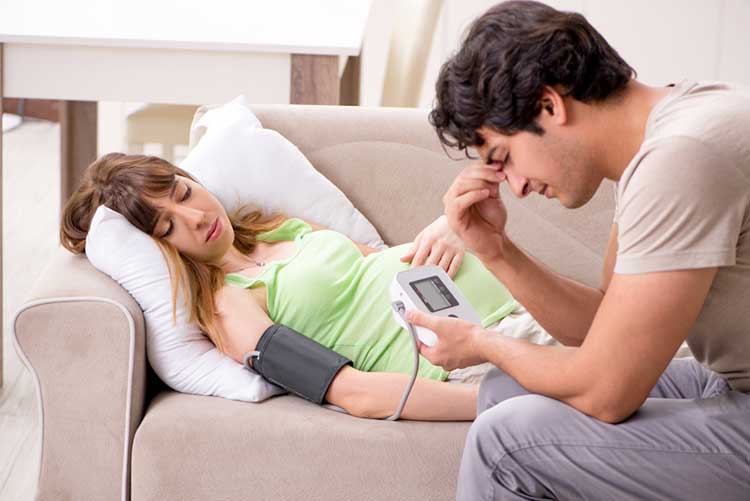
Some women already have high blood pressure (hypertension) before they become pregnant and they may be on treatment for this. Your medication may need to be changed, so it is important to see a healthcare professional before, or as soon as you know you are pregnant.
Some women are found to have high blood pressure before they are 20 weeks pregnant. (If high blood pressure is first discovered before you are 20 weeks pregnant, this usually means that you had previously undetected high blood pressure before you were pregnant.)
So, high blood pressure before 20 weeks of pregnancy is not caused by pregnancy but is pre-existing, or chronic, high blood pressure.
If you have pre-existing high blood pressure, you have an increased risk of developing pre-eclampsia during your pregnancy.
Note: If you are taking medicines to treat high blood pressure then, ideally, you should have this reviewed before you become pregnant by your doctor.
Gestational high blood pressure
Some women can develop new high blood pressure during their pregnancy. This is called gestational high blood pressure (or hypertension) or pregnancy-induced high blood pressure (or hypertension).
Gestational high blood pressure is high blood pressure that develops for the first time after the 20th week of pregnancy. Doctors can confirm this type of high blood pressure if you do not go on to develop pre-eclampsia during your pregnancy and if your blood pressure has returned to normal within six weeks of giving birth. If you have gestational high blood pressure, you do not have protein in your urine when it is tested by your midwife or doctor during your pregnancy.
Note: Some women may be found to have new high blood pressure after 20 weeks of pregnancy. At first, they may not have any protein in their urine on testing. However, they may later develop protein in their urine and so be diagnosed with pre-eclampsia. You are only said to have gestational hypertension if you do not go on to develop pre-eclampsia during your pregnancy.
Pre-eclampsia and eclampsia
Pre-eclampsia is a condition that can affect some women who develop new high blood pressure after the 20th week of their pregnancy. Pre-eclampsia can also sometimes develop in women who have high blood pressure before they are pregnant (pre-existing high blood pressure) or in women who have protein in their urine before they are pregnant (for example, due to kidney problems).
Pre-eclampsia not only causes high blood pressure; it also affects other parts of your body such as your kidneys, liver, brain, and blood clotting system. Pre-eclampsia causes the protein to leak from your kidneys into your urine. If you have pre-eclampsia, you will have high blood pressure and protein will be found in your urine when it is tested. Pre-eclampsia gets better within six weeks of you giving birth.
Eclampsia can be a complication of pre-eclampsia. In eclampsia, a woman with pre-eclampsia has one or more fits (seizures or convulsions). This is a serious condition. The aim is to detect and treat pre-eclampsia successfully to try to prevent eclampsia from developing.