
The Treatment for High Blood Pressure in Pregnancy
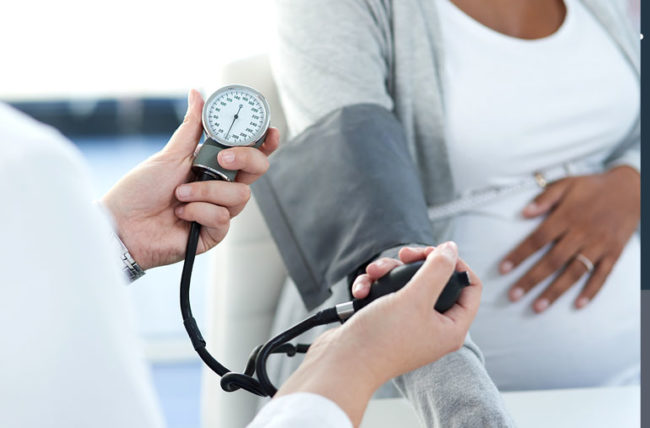
If your doctor or midwife finds that your blood pressure is high during your pregnancy, they will usually check to see if you have any protein in your urine and ask you if you have any symptoms of pre-eclampsia. If your blood pressure remains high, or if you have any signs of pre-eclampsia, you will usually be seen by a specialist (an obstetrician). In order to advise on treatment, there are various questions that need to be considered by the specialist, such as:
- how severe is your high blood pressure (hypertension)?
- Is there pre-eclampsia and, if so, how severe is it?
- how far on is your pregnancy?
- what are the risks to you, the mother, and your baby? This will depend on the severity of your high blood pressure and whether or not pre-eclampsia is present.
If high blood pressure remains mild and pre-eclampsia does not develop
There is usually a little risk. You will be advised to take 75- 150 mg aspirin daily from 12 weeks of pregnancy. Regular checks of your blood pressure and your urine for protein, as well as checks to see how your pregnancy is progressing, maybe all that is needed until the natural time of birth. Checks may include blood tests and an ultrasound scan to look at how your baby is growing and to check the blood flow from the afterbirth (placenta) to the baby. You may be followed up by an obstetrician. You may need medicines to control your blood pressure during your pregnancy. You may be offered a placental growth factor blood test to help rule out pre-eclampsia between 20 weeks and up to 35 weeks of pregnancy if you are suspected of developing pre-eclampsia.
If high blood pressure becomes severe, or if pre-eclampsia develops
There are risks to both you, as the mother, and to your baby, if high blood pressure becomes more severe, especially if you develop pre-eclampsia. You will usually be seen urgently by a specialist and you may be admitted to the hospital. Blood tests may be suggested to check to see how much your blood pressure or pre-eclampsia is affecting you. The well-being of your baby may also be checked using ultrasound scanning. A recording of your baby’s heart rate may be carried out.
For severe high blood pressure, especially if pre-eclampsia develops, there is often a dilemma. If the high blood pressure is caused by the pregnancy, the only cure is to deliver your baby. This may be fine if your pregnancy is near the end. The birth can be induced, or your baby can be born by Caesarean section if necessary. However, a difficult decision may have to be made if high blood pressure or pre-eclampsia becomes severe earlier in your pregnancy.
Medicine to lower blood pressure may be prescribed for a while. This may allow your pregnancy to progress further before delivering your baby. The best time to induce the birth (or deliver by cesarean section) varies depending on the factors mentioned above.
If you have severe pre-eclampsia, the medicine magnesium sulfate may be given via a drip around the time that your baby is delivered. This may reduce your chance of developing eclampsia and prevent you from having fits (seizures)